
Treasure Coast Locksmith
LICENSED • INSURED • 35+ YEARS
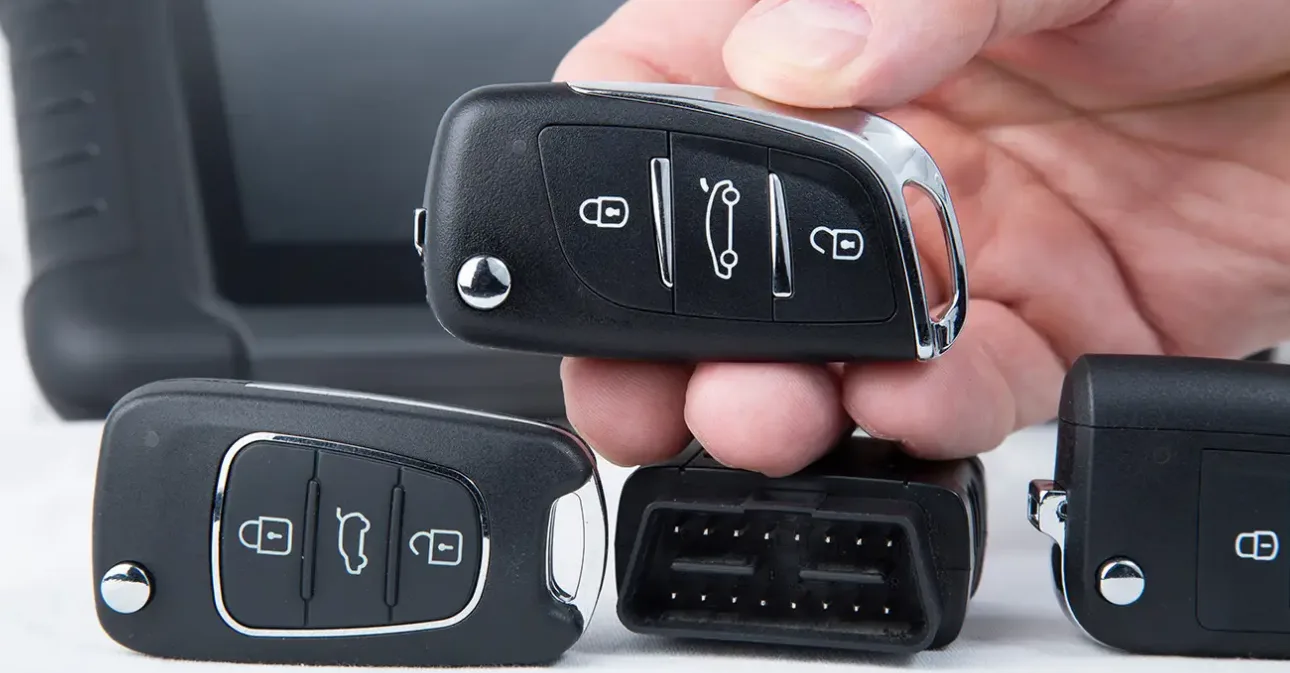
Every car key made since the early 2000s contains a small radio frequency transponder chip embedded in the key head. This chip is passive - it has no battery. When you insert the key and turn the ignition (or bring a proximity fob near the dash), the car's immobilizer antenna sends a low-power radio signal that energizes the chip.
The energized chip transmits back a unique encrypted code. The car's immobilizer computer checks this code against its stored list of authorized keys. If the code matches, the immobilizer allows the engine to start. If it does not match (or no chip is detected), the engine cranks but will not fire. This is how your car prevents hot-wiring.
When you have one working key, making a spare is a straightforward process. The existing key provides the security data that the new key needs to be registered. Many vehicles allow "on-board programming" where a specific sequence of key insertions and button presses adds a new key to the system. Others require professional scan tool programming.
When you lose your only key, the process becomes more complex and expensive. We must access the immobilizer computer directly, erase the old key data, and program a new key from scratch. Some vehicles require ECU replacement or EEPROM-level programming for all-keys-lost situations.
Store the spare in a secure location at home, not inside the vehicle. A spare in the glove box does not help when you are locked out. Give one to a trusted family member or keep one in a combination lockbox.
For families with multiple drivers, consider three keys: two daily-use keys and one emergency spare. Most vehicles can be programmed with up to eight keys.
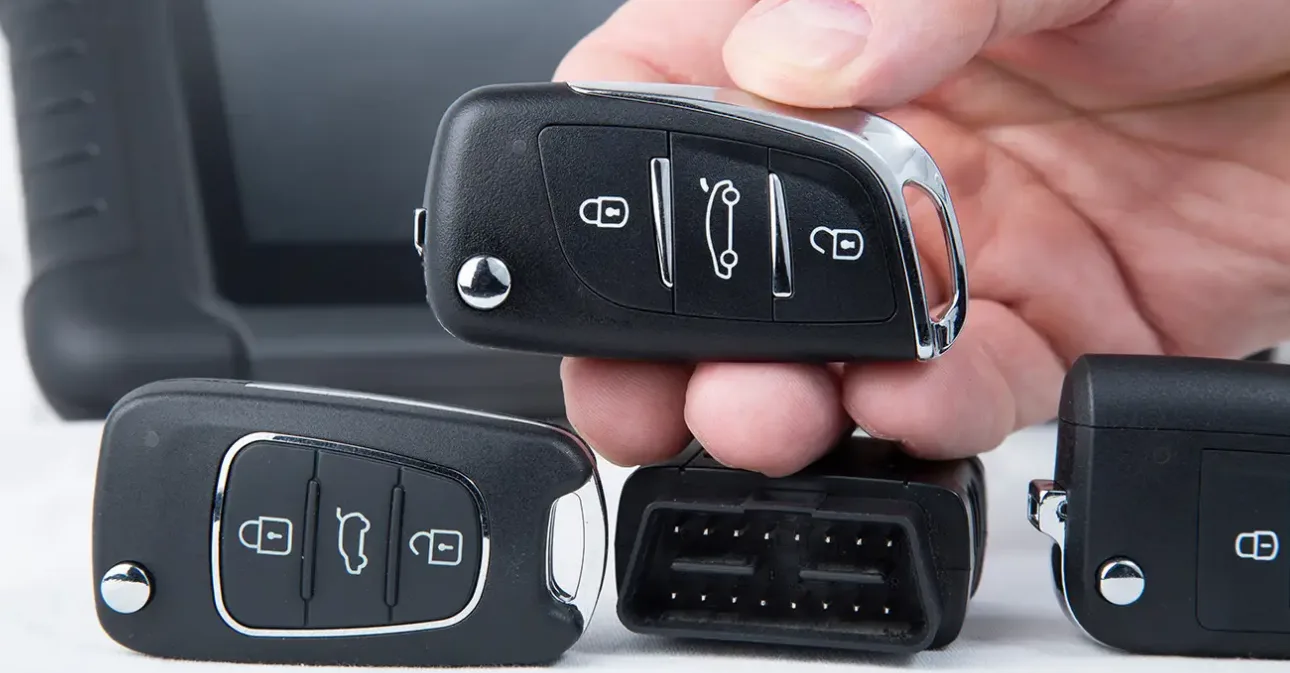
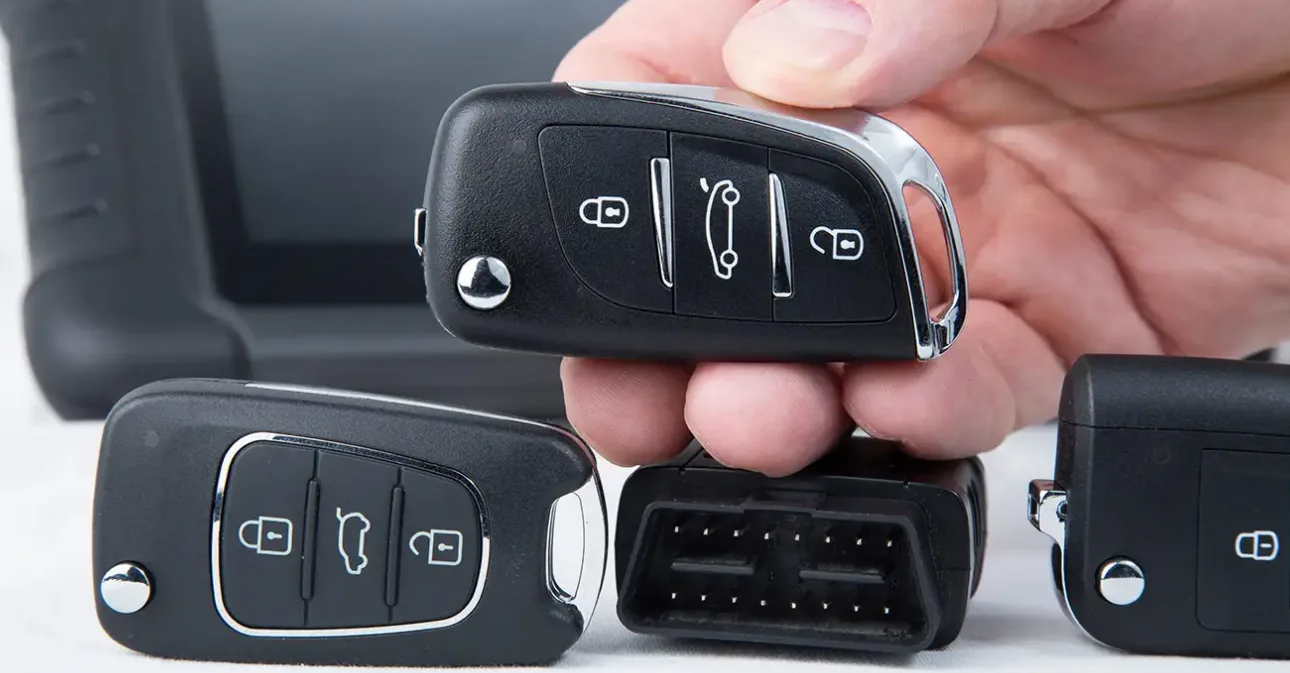
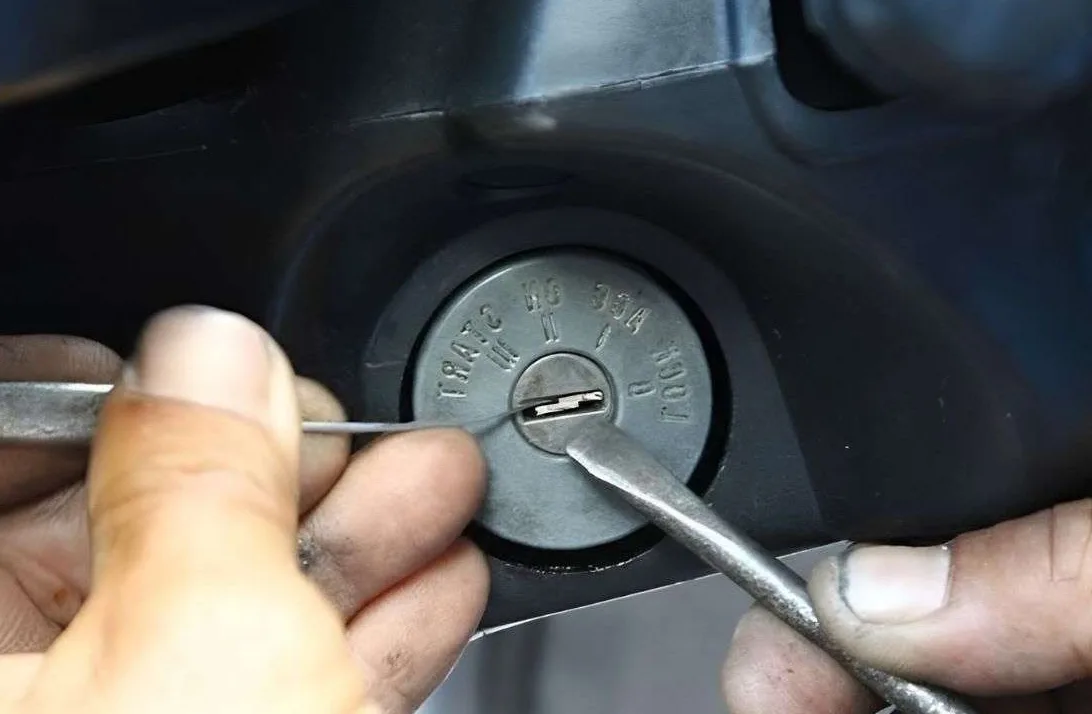
Add a spare to your vehicle while you have a working key. Simplest and most affordable option.
We explain exactly what your car's key system does and what spare you need. No upselling.
Need two or more spares? We offer multi-key pricing for families and fleets.
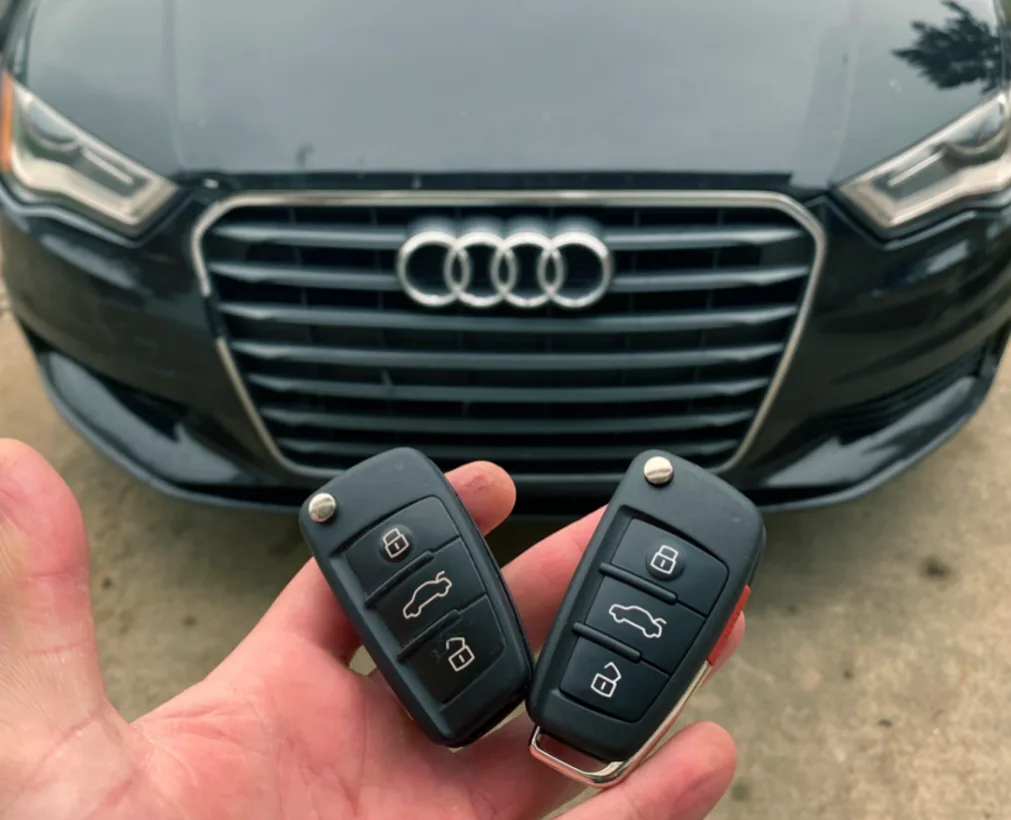
Every spare key is fully tested in the ignition, door locks, and trunk before we leave.